What if the source of your chronic back pain isn't actually in your back? It's exhausting to feel like a "knot" that never goes away, especially when you've spent months seeking relief through standard massages that only touch the surface. You've likely noticed that your range of motion stays limited despite constant stretching, leaving you frustrated with temporary fixes. If you have been searching for myofascial release therapy for chronic pain Portland offers a sophisticated, investigative path toward healing that goes beneath the surface.
Dr. Boamah understands that true healing requires a deep dive into the body's structural web to identify the fascial restrictions causing your discomfort. By focusing on these underlying issues, he provides a path to improved postural alignment and lasting relief from persistent tension. This article explores how myofascial release therapy targets the root cause of your pain and how our clinic at 5201 sw westgate drive ste 101, Portland, Oregon, 97221, facilitates your recovery. Your journey toward a pain-free life begins with an expert consultation, which you can schedule by calling 541-390-1677.
Key Takeaways
- Learn how your fascia acts as a 3D structural web. You'll see why trauma or posture causes it to solidify into painful restrictions.
- Discover how myofascial release therapy for chronic pain Portland uses gentle, sustained pressure to return restricted tissue to a fluid state.
- Identify why chronic headaches and persistent back pain are often symptoms of fascial pulls. These often originate far from where you feel the discomfort.
- Understand how a comprehensive postural scan and movement analysis creates a personalized roadmap for your recovery.
- See how Dr. Boamah's investigative approach moves beyond surface-level treatments. He addresses the underlying structural imbalances that keep you in pain.
The Hidden Source of Chronic Pain: Understanding Your Fascia
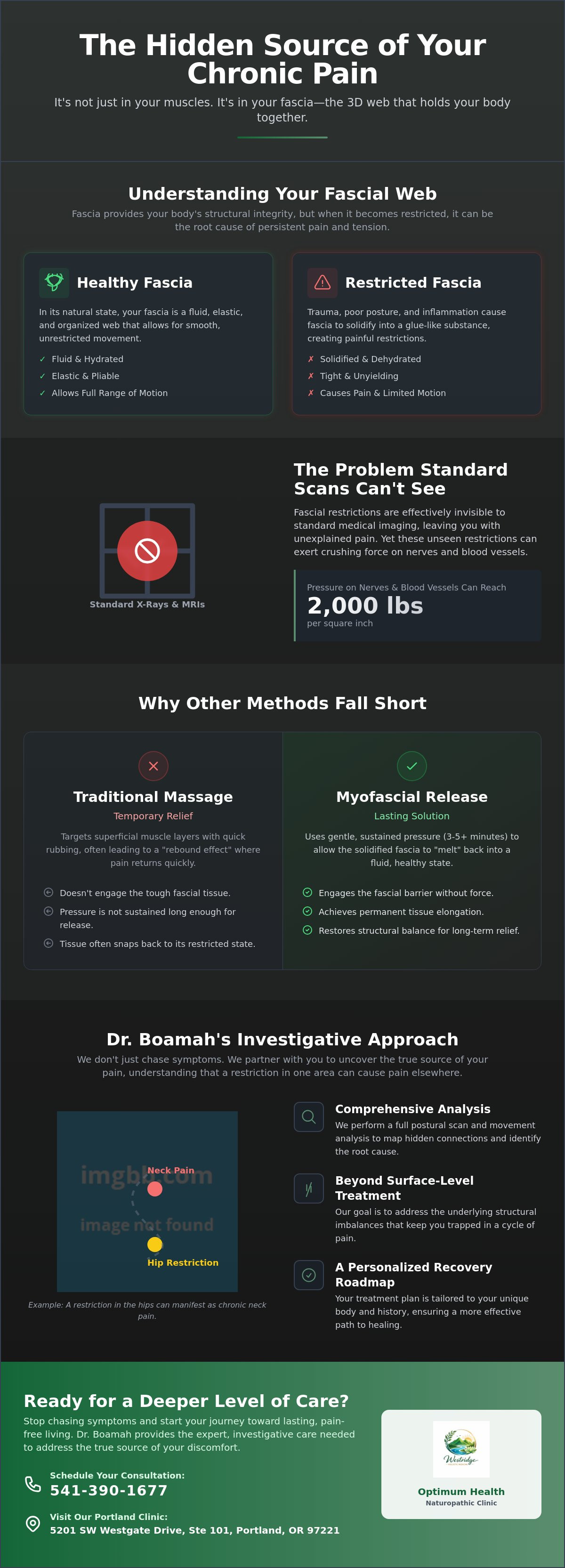
Your body is held together by a continuous, three-dimensional web of connective tissue known as fascia. This remarkable system wraps around every muscle, bone, nerve, and organ, providing the structural integrity that allows you to move. In a healthy state, fascia is fluid and elastic. However, life often intervenes. Physical trauma, poor postural habits, and chronic inflammation cause this once-flexible web to solidify. It loses its hydration and begins to tighten, essentially turning into a tough, glue-like substance that binds down on sensitive structures. By seeking myofascial release therapy for chronic pain Portland residents can begin to unbind these internal restrictions that have developed over years of strain.
One of the most frustrating aspects of this condition is that restricted fascia is effectively invisible to modern medicine's standard tools. X-rays and MRIs are designed to identify broken bones or herniated discs, but they don't capture the subtle thickening of connective tissue. You might feel like your body is trapped in a vice grip, yet your doctor tells you the scans look normal. This "invisible" restriction can exert a significant crushing force on your nerves and blood vessels. This pressure often reaches hundreds of pounds per square inch, creating a cycle of pain and limited mobility that feels impossible to break. To understand the broader context of this modality and its scientific foundation, you can explore What is Myofascial Release? and its role in modern physical rehabilitation.
To visualize how these deep tissue restrictions affect your movement and contribute to persistent discomfort, watch this helpful video:
Why Traditional Massage Often Falls Short
Many patients come to us after trying standard massage with little success. While a typical massage feels relaxing, it generally targets the superficial muscle layers. Fascia is different; it's made of tough collagen and elastin fibers that don't respond to quick rubbing or kneading. This often leads to a "rebound effect" where you feel better for an hour, but the pain returns by the next morning. Achieving permanent tissue elongation requires sustained, gentle pressure held for several minutes. This specific timing allows the fascia to actually release its grip rather than just temporarily stretching. Without this patient approach, the tissue simply snaps back into its restricted state, keeping you stuck in a loop of temporary relief.
The Investigative Approach to Pain in Portland
At our clinic, we adopt an investigative philosophy that looks far beyond the site of your pain. We understand that the body is an interconnected system; a restriction in your pelvic floor or hips can pull on the entire fascial web, eventually manifesting as chronic neck pain or jaw tension. Dr. Boamah works as your partner to map out these hidden connections, looking for the source rather than just chasing symptoms. We invite you to consider your entire history, including old sports injuries or years spent at a desk, to find the true cause of your tension. If you're ready for a deeper level of care, visit us at 5201 sw westgate drive ste 101, Portland, Oregon, 97221, or call 541-390-1677 to schedule your consultation. This thorough approach ensures that your treatment plan is as unique as your biological history.
How Myofascial Release Therapy Restores Structural Balance
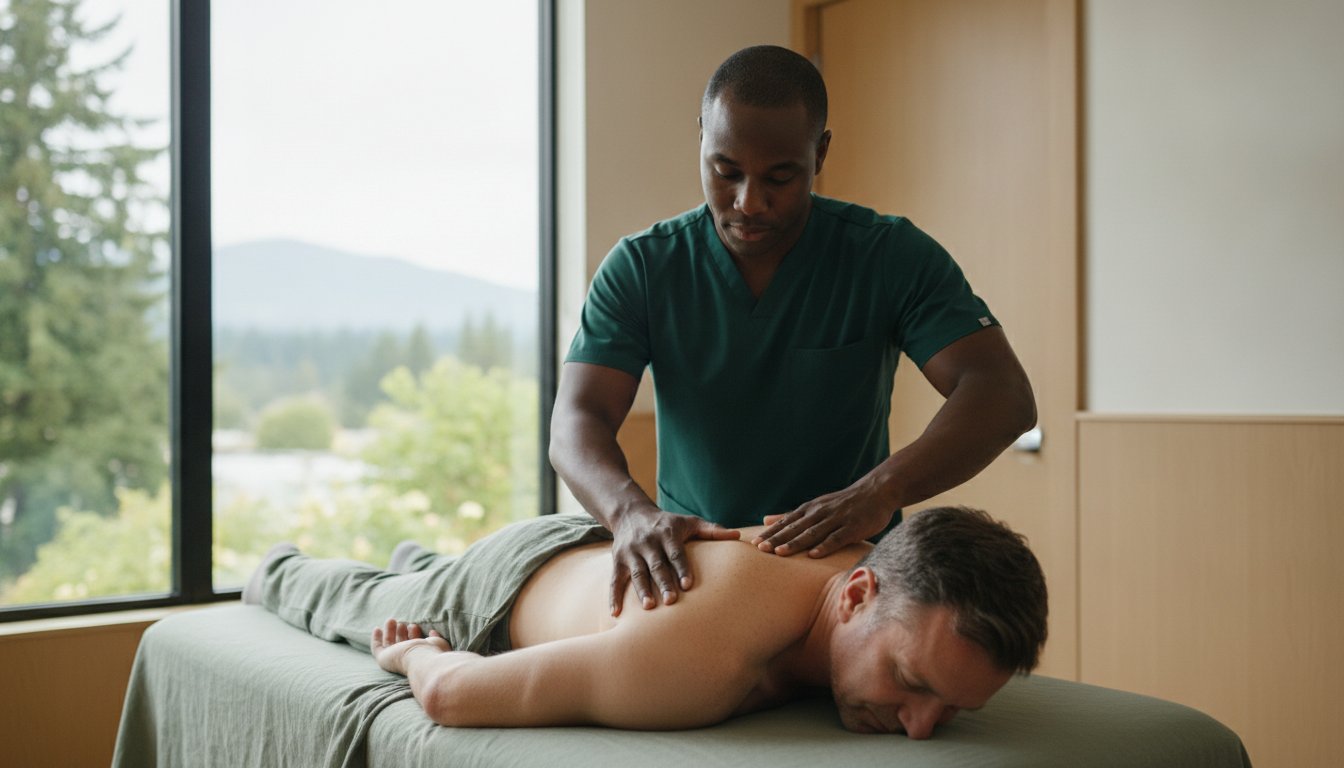
Authentic myofascial release isn't a passive experience. It requires a specific, sustained pressure that engages the fascial barrier without forcing through it. When you choose myofascial release therapy for chronic pain Portland practitioners like Dr. Boamah use their hands to apply this gentle, steady force directly to the skin. This isn't about rubbing the surface; it's about waiting for the body's internal systems to respond. This patient engagement allows the fascia to transition from a solidified, "gel" state into a more fluid, "liquid" state. This process, known as thixotropy, is essential for restoring the glide between tissue layers that has been lost to years of tension.
This physiological shift provides a non-invasive alternative to painful injections or surgical interventions. By addressing the collagen and elastin fibers that make up your structural web, we can achieve lasting recovery rather than temporary relief. Elastin provides the necessary "give" for movement, while collagen offers the strength to maintain your posture. A comprehensive review of myofascial release therapy supports this approach, documenting how it improves physical function across a variety of chronic conditions. It's about giving your body the space and time it needs to reorganize itself at a cellular level, ensuring that the structural balance we achieve is sustainable and profound.
The Science of Tissue Release
The piezoelectric effect occurs when mechanical pressure on the fascia creates a small electrical charge that signals the tissue to remodel and relax. This electrical signal helps hydrate the "ground substance," a fluid-like gel that surrounds your cells, making your movements feel smoother and less restricted. For this change to become permanent, the pressure must be held for at least three to five minutes. This duration is critical because it's the time required for the complex chemical bonds within the fascia to actually let go. Shorter bursts of pressure might feel good in the moment, but they don't create the structural reorganization needed for long-term health.
Integrating MFR with Naturopathic Medicine
Structural health doesn't exist in a vacuum. When fascia is tight, it acts like a tourniquet, choking off blood vessels and preventing oxygen and vital nutrients from reaching your cells. By releasing these "choke points," we allow your body's natural healing mechanisms to flourish. This structural work pairs perfectly with naturopathic primary care, as both focus on removing obstacles to health. Reducing fascial tension can lower systemic inflammation by improving lymphatic drainage and metabolic waste removal. This synergy creates a strong foundation for total well-being. If you're ready to start your holistic healing approach, our team at 5201 sw westgate drive ste 101, Portland, Oregon, 97221, is here to guide you. You can reach us at 541-390-1677 to discuss how these therapies can work together for your recovery.
Common Conditions Treated with Myofascial Release
Myofascial release therapy for chronic pain Portland is remarkably versatile because it addresses the body's entire structural framework rather than isolated symptoms. Many patients arrive at our clinic struggling with chronic neck and back pain that hasn't responded to traditional stretching or standard massage. These issues often stem from ingrained postural habits that cause the fascia to solidify over time. When the upper-body fascia tightens, it creates a persistent, invisible pull that frequently leads to debilitating migraines and tension headaches. By releasing these deep-seated restrictions in the neck and shoulders, we can alleviate the structural pressure that triggers chronic head pain.
For those navigating the complexities of fibromyalgia or chronic pain syndrome, this therapy offers a compassionate path toward systemic relief. Research published in Dovepress on September 26, 2024, demonstrates that myofascial release effectively improves pain, quality of life, and sleep quality for patients with fibromyalgia. We also successfully treat localized issues like jaw pain (TMJ) and carpal tunnel syndrome. These conditions are often the result of the fascial web compressing nerves and joints, and our investigative approach helps identify exactly where that compression begins.
Overcoming Persistent Musculoskeletal Issues
Portland's active community often faces recurring injuries that traditional treatments overlook. For example, plantar fasciitis is rarely just a foot problem; it's frequently caused by restrictions in the calves and hips that pull on the entire posterior chain. Similarly, many cases of sciatica aren't caused by a disc issue but by the piriformis muscle trapping the sciatic nerve due to fascial tension. This deep-dive methodology is particularly effective for hamstring strain recovery and other sports-related challenges that keep you on the sidelines. We focus on restoring the natural glide of your tissues so you can return to the activities you love without the fear of re-injury.
Post-Surgical and Scar Tissue Management
Surgery often leaves behind internal adhesions that create a restrictive pull long after the visible scars have healed. These adhesions can limit your range of motion and create a "tugging" sensation that standard physical therapy might not fully address. Whether you're recovering from an orthopedic procedure or dealing with the internal pull of abdominal or pelvic adhesions, myofascial release helps soften these restrictive tissues. This process improves the mobility of your organs and muscles, preventing the long-term structural compensations that lead to secondary pain elsewhere in the body.
Dr. Boamah is dedicated to helping you understand the "why" behind your chronic tension. If you're ready to find a lasting solution, visit us at 5201 sw westgate drive ste 101, Portland, Oregon, 97221. You don't have to accept limited mobility as your new normal. Call 541-390-1677 today to book a consultation and start your journey toward a pain-free life.
Your Session at Our Portland Holistic Health Clinic
Entering our clinic marks the start of a significant personal milestone in your recovery. We've cultivated a compassionate, quiet environment where your physical concerns are met with expert curiosity rather than a standard checklist. Your experience with myofascial release therapy for chronic pain Portland begins with a thorough initial assessment. We don't just focus on the site of your discomfort; we perform a comprehensive postural scan and movement analysis. This investigative process reveals how your entire body has organized itself around pain, allowing Dr. Boamah to create a roadmap for your structural restoration.
During the treatment, you'll notice that the sensations are quite different from those of a typical spa visit. As sustained pressure is applied, you might experience a gentle stretching or a distinct "melting" sensation deep within your tissues. It's common to feel a radiating heat as the fascia transitions from a solidified state into a more fluid one. This is the physical evidence of your body finally letting go of long-held restrictions. Once the session concludes, the work continues at home. We emphasize the importance of increased hydration and intentional rest to support your body as it flushes out metabolic waste and adapts to its new alignment.
A Collaborative Path to Healing
We believe that lasting recovery is a partnership. During your sessions, we work together to identify the daily habits, such as your workstation ergonomics or repetitive movement patterns, that contribute to your tension. We often use the metaphor of "unwinding" to describe this process. It's about peeling back the layers of restriction that have accumulated over years. This approach moves you away from a cycle of temporary fixes and toward empowered self-management. You'll leave with a deeper understanding of your own biological systems and the tools needed to maintain your structural integrity.
Adjunct Therapies for Accelerated Recovery
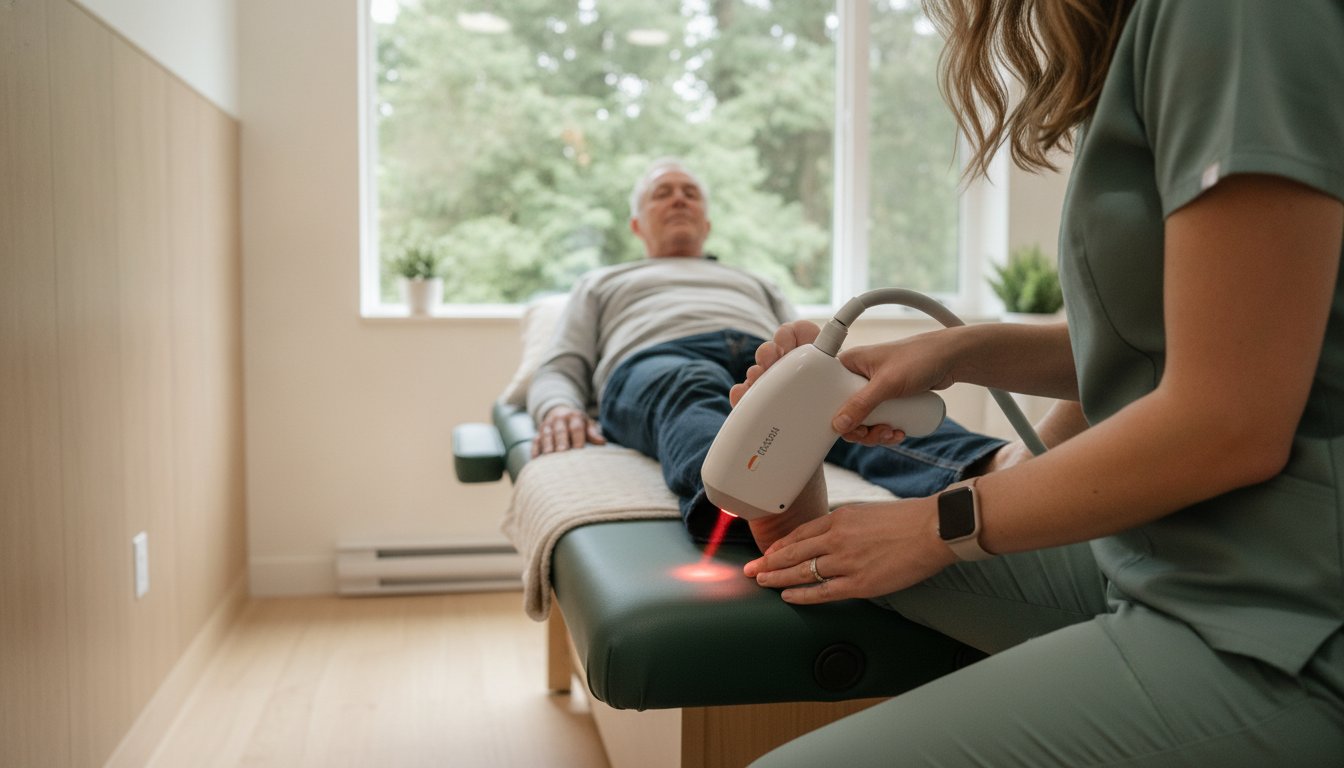
To maximize your results, we often combine manual release with advanced clinical technologies. Pairing myofascial work with Class 4 laser therapy can accelerate deep cellular healing and significantly reduce local inflammation. For patients with particularly stubborn or calcified tissue, focused shockwave therapy provides a non-invasive way to break up dense restrictions, making the subsequent myofascial release even more effective. These modalities are integrated into a holistic physical therapy plan designed specifically for your history. If you're ready to move beyond surface-level treatments, book your investigative consultation today at our Portland office. You can find us at 5201 sw westgate drive ste 101, Portland, Oregon, 97221, or call 541-390-1677 to begin your path to lasting relief.
Meet Dr. Boamah: Your Partner in Pain-Free Living
Dr. Philip Boamah serves as the lead expert for chronic pain solutions at Optimum Health Naturopathic Clinic. He understands that persistent tension is often a complex puzzle rather than a simple muscle ache. By utilizing an investigative, root-cause philosophy, he looks past the surface to find the fascial restrictions that traditional systems often overlook. This commitment to long-term healing ensures that you aren't just masking symptoms but actually reorganizing your body's structural integrity. When you seek myofascial release therapy for chronic pain Portland offers a unique opportunity to work with a practitioner who values your comfort and validates your history of discomfort. Our approach transforms a standard clinical interaction into a significant personal milestone for your health.
As a licensed naturopathic doctor and physical therapist, Dr. Boamah brings a dual perspective to your care. He doesn't just react to issues; he actively promotes peak well-being by addressing the underlying biological systems that cause chronic tension. This thoroughness suggests that your health concerns are met with genuine curiosity and expertise rather than temporary management. We believe in a collaborative process where the patient and practitioner work together to achieve lasting results. Our clinic, located at 5201 sw westgate drive ste 101, Portland, Oregon, 97221, is designed to be a supportive environment where your path to engagement remains visible and uncomplicated.
Why Choose Optimum Health Naturopathic Clinic?
Choosing our clinic means having a Naturopathic Doctor oversee every aspect of your physical recovery. This integrative perspective allows us to address structural issues alongside systemic factors like inflammation and nutrition. We specialize in validating patients who have felt unheard or dismissed by traditional medical models. Our practice serves as a welcoming gateway to a new chapter of physical freedom, where your health concerns are met with clinical expertise. We don't just treat patients; we build partnerships for lifelong wellness. This non-dogmatic, pragmatic approach ensures that your treatment plan is as intentional and well-organized as your recovery goals.
Take the First Step Toward Relief
It's time to stop merely managing your pain and start resolving it. Our clinic is conveniently located for residents in Portland, Beaverton, and Hillsboro. We invite you to experience the difference that a deep-dive approach can make for your mobility and daily habits. Whether you're a weekend athlete or a professional dealing with desk-related strain, your journey to recovery starts here. Myofascial release therapy for chronic pain Portland is more than a treatment; it's a path to reclaiming your active lifestyle. Take the first step toward a pain-free life by calling 541-390-1677 to book your initial consultation. Let's work together to navigate your biological systems and unlock your body's potential for lasting recovery.
Begin Your Journey Toward Physical Freedom
You don't have to settle for a life defined by persistent knots and limited movement. By addressing the deep-seated restrictions within your structural web, you can finally move past surface-level symptom management. We've explored how a sustained approach to myofascial release therapy for chronic pain Portland allows your body to return to its natural, fluid state. This investigative process ensures that we identify the true source of your tension rather than just chasing the site of your pain. It's a comprehensive way to reclaim the range of motion you thought was lost for good.
Our integrative clinic, led by Dr. Boamah, combines expert manual release with advanced clinical tools like Class 4 laser and focused shockwave therapy. This holistic combination provides a sophisticated path toward lasting recovery and improved postural alignment. Ready to uncover the root of your pain? Schedule your consultation with Dr. Boamah by calling 541-390-1677. You can find us conveniently located at 5201 sw westgate drive ste 101, Portland, Oregon, 97221. It's time to stop managing your discomfort and start living with the freedom and optimism your body deserves.
Frequently Asked Questions
Is myofascial release therapy painful?
Myofascial release therapy for chronic pain Portland is not intended to be painful. While you may feel a deep stretching sensation or a "good hurt" as the tissue releases, the pressure is always applied with your comfort in mind. Most patients describe a unique "melting" or heat sensation as the fascia transitions from a gel to a liquid state. We prioritize a compassionate environment where you feel safe and in control throughout the entire session.
How many sessions of MFR will I need for chronic pain?
The number of sessions varies depending on the depth and duration of your structural restrictions. Many patients begin to feel a significant shift within three to six sessions, but chronic conditions often require a more dedicated series to achieve permanent tissue elongation. Dr. Boamah will partner with you to create a modular treatment plan that reflects your specific history and healing goals. We focus on long-term recovery rather than temporary symptom management.
What is the difference between myofascial release and deep tissue massage?
The primary difference lies in the tissue being targeted and the duration of the technique. Standard deep tissue massage uses oils to slide over the skin and knead muscle fibers. In contrast, myofascial release is performed on bare skin without lubricants to engage the fascial web directly. We use sustained pressure held for three to five minutes to achieve a permanent structural change that superficial massage simply cannot reach.
Can myofascial release help with old injuries or scar tissue?
Yes, myofascial release is exceptionally effective for addressing the restrictive pull of old injuries and surgical scar tissue. These adhesions often create an internal tugging that affects your posture and movement years after the initial event. By applying gentle, persistent pressure, we help soften these dense areas and restore the natural glide of your tissues. This investigative approach allows us to resolve the hidden source of your persistent discomfort.
What should I wear to my myofascial release session in Portland?
We recommend wearing loose-fitting clothing that allows for easy movement and skin-to-skin contact. Most patients wear a pair of gym shorts and a tank top, or they may choose to receive treatment in their undergarments while remaining properly draped. Since we don't use oils or lotions, you don't have to worry about staining your clothes. Our Portland clinic is located at 5201 sw westgate drive ste 101, Oregon, 97221, where we prioritize your privacy and comfort.
Does insurance cover myofascial release therapy at your clinic?
Dr. Philip Boamah accepts several insurance plans including OHP, Regence Blue Cross Blue Shield, United Health Plan, Aetna, Pacific Source commercial plans, and Moda Health. We recommend calling our office at 541-390-1677 to confirm your specific coverage details and any necessary referrals. Our team is happy to help you navigate the logistical aspects of your care so you can focus entirely on your physical recovery and long-term healing.
Can I combine MFR with other treatments like IV therapy?
We do not offer IV therapy at our clinic. Instead, we focus on a non-dogmatic, integrative approach that combines myofascial release with other advanced modalities like Class 4 laser therapy and focused shockwave therapy. These treatments work in synergy to promote deep cellular healing and break up stubborn calcifications. You can discuss these options during your investigative consultation to see which combination best supports your specific path toward physical freedom and peak well-being.
How quickly will I feel results after a session?
Many patients report an immediate sense of "lightness" or increased range of motion right after their first session. However, your body may continue to "unwind" for 24 to 48 hours as it adapts to its new structural alignment. It's common to feel a little tired or sensitive as your system flushes out metabolic waste. Proper hydration following your appointment at our clinic will help support this natural detoxification and accelerate your healing process.
Disclaimer
for educational purposes only