

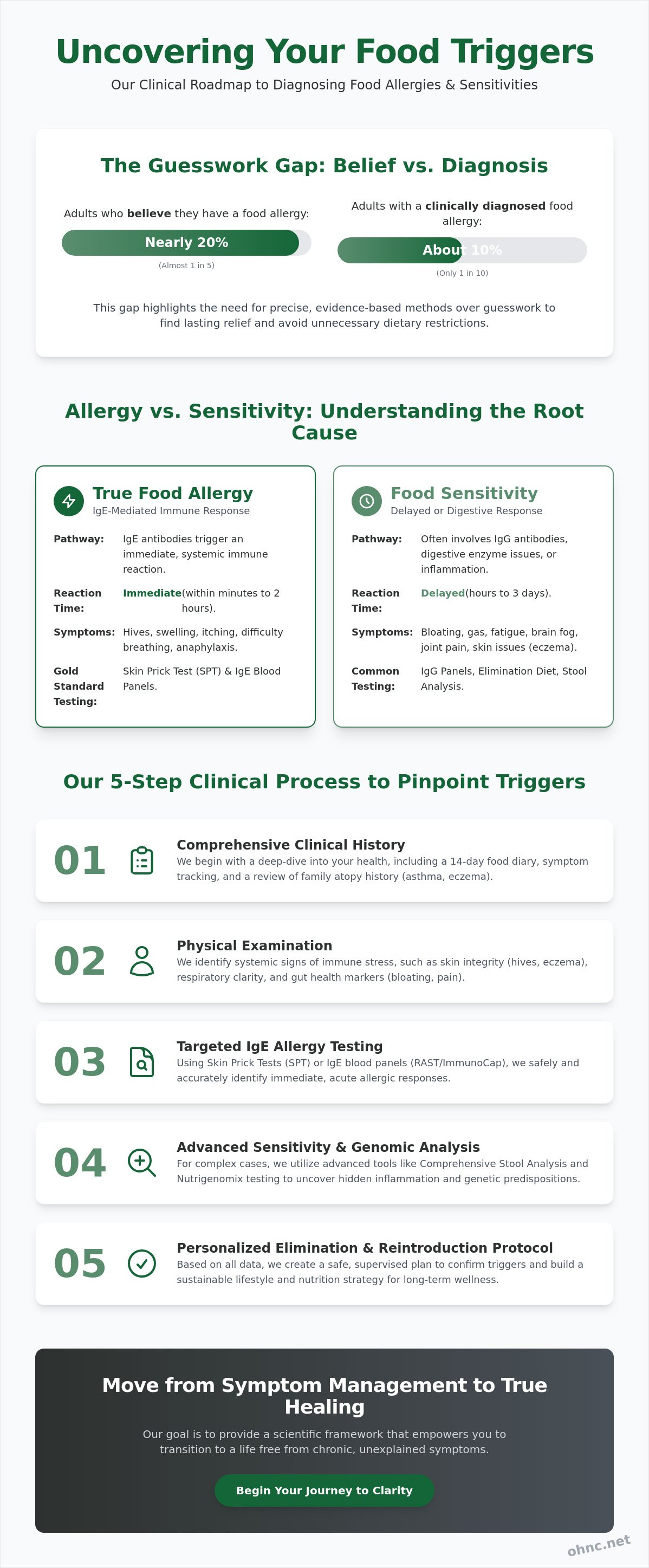
What if the "healthy" ingredients in your daily meals are actually the hidden source of your chronic inflammation? According to research published in JAMA Network Open, nearly 20% of adults believe they have a food allergy, yet only about 10% possess a clinical diagnosis. This gap often leads to unnecessary dietary restriction and persistent frustration. You've likely felt the exhaustion of trying to "avoid everything" while still dealing with unexplained symptoms. We agree that generic advice isn't enough when you're seeking a path to wellness. To find lasting relief, it's essential to clinically diagnose food allergies using precise, evidence-based methods rather than guesswork.
This guide outlines the specialized diagnostic services available at our Oregon clinic to help you identify your specific biological triggers. We'll explore the critical differences between IgE-mediated responses and IgG sensitivities through our advanced testing panels. You'll get a clear preview of our diagnostic roadmap, which includes comprehensive stool analysis and Nutrigenomix testing to uncover the root-cause of your symptoms. We focus on providing you with a scientific framework to transition from symptom management to true lifestyle medicine. Begin your journey toward clarity by understanding the clinical tools designed for your recovery.
Key Takeaways
- Learn our systematic 5-step clinical process to safely identify food triggers and begin your journey toward root-cause healing.
- Understand how we use advanced tools like skin prick testing and IgE blood panels to accurately diagnose food allergies and ensure your safety.
- Discover the critical difference between immune-mediated allergies and digestive intolerances to uncover why symptoms persist even after standard testing.
- Explore how our Hillsboro clinic integrates personalized diagnostic care with a whole-person perspective to address complex environmental factors unique to Oregon.
- Master the professional protocols for safe elimination and reintroduction to confirm your triggers under expert clinical guidance and supervision.
Understanding the Diagnostic Journey for Food Allergies in Oregon
To accurately diagnose food allergies, our clinic performs a systematic investigation of your immune system’s specific response to dietary proteins. This isn't a simple "yes or no" process. It's a deep-dive into your biology. For residents in the Portland metro area, this diagnostic journey is often complicated by environmental factors. High grass pollen counts in the Willamette Valley can overlap with food triggers, making it difficult to isolate the root-cause of your symptoms without professional intervention. Understanding Food Allergies requires a clinical eye that can distinguish between immediate IgE-mediated reactions and the delayed, "hidden" symptoms that impact your daily wellness. We prioritize a partnership with our patients to ensure no detail is overlooked.The Role of Clinical History in Hillsboro Diagnostics
At our Hillsboro facility, the diagnostic process begins with a comprehensive review of your clinical history. We ask patients to maintain a dedicated food diary for at least 14 days. This diary must track symptom onset, which often occurs within 15 to 30 minutes for immediate reactions, as well as the duration and severity of the response. We pay close attention to a family history of atopy. If you have a history of asthma or eczema, your risk profile changes. During your primary care consultation, our naturopathic physicians ask targeted questions about your lifestyle and specific meal compositions. This investigative approach ensures that we select the most effective diagnostic services for your unique needs rather than relying on a one-size-fits-all test.Physical Examination: Identifying Systemic Signs
A physical examination provides the visible evidence needed to confirm an immune system under stress. We look for systemic signs that indicate your body is reacting to specific proteins. Skin conditions like eczema are major indicators; research suggests that up to 30% of children with moderate to severe eczema also have a food allergy. We also evaluate respiratory signs that are frequently mistaken for seasonal Oregon allergies. Our diagnostic services help identify the "integrative signature" of your health by looking at:- Skin Integrity: Identifying hives, dermatitis, or chronic rashes that signal internal inflammation.
- Respiratory Clarity: Distinguishing between pollen-induced rhinitis and food-triggered congestion.
- Gut Health Markers: Assessing bloating, abdominal pain, or changes in digestion that suggest a need for food sensitivity testing.
Clinical Testing Methods: From Skin Pricks to Advanced Blood Panels
To accurately diagnose food allergies, we utilize a tiered approach that begins with identifying acute immune responses. The IgE antibody is the primary mediator of acute allergic distress. This specific antibody triggers the immediate, sometimes life-threatening reactions that occur within minutes of exposure to an allergen. Our diagnostic process prioritizes safety while ensuring we uncover the root-cause of your physical discomfort.
Traditional IgE Testing in Portland Clinics
The skin prick test (SPT) remains a cornerstone for detecting immediate sensitivities. During this procedure, a clinician applies a concentrated drop of an allergen extract to the skin, typically on the forearm. We then use a small sterile device to gently scratch the surface. Within 15 to 20 minutes, we monitor the area for a "wheal," which is a raised, red, itchy bump similar to a mosquito bite. A positive result is generally defined as a wheal that measures 3 millimeters larger than the negative control.
While SPT is highly effective for many, it's not always the safest or most practical option. Patients with severe eczema or those taking certain antihistamines may require IgE blood testing, such as RAST or ImmunoCap. These panels measure the concentration of specific IgE antibodies in the bloodstream. It's vital to understand that a negative IgE result doesn't always mean a food is "safe" for your specific biology. These tests only identify one type of immune pathway. While these tools excel at spotting immediate threats, Differentiating Allergies and Intolerances is vital for a complete diagnostic picture.
Specialized Food Sensitivity Testing
Many patients suffer from symptoms that don't appear until 48 to 72 hours after eating. These delayed reactions are often mediated by IgG antibodies rather than IgE. Unlike the sudden hives or swelling associated with traditional allergies, IgG responses contribute to chronic inflammation, migraines, and joint pain. Our clinic provides comprehensive food sensitivity testing to identify these hidden triggers that standard labs often overlook.
For Beaverton patients struggling with complex gut issues or brain fog, multi-antigen panels offer significant clinical value. These specialized naturopathic panels evaluate a broader range of foods and additives compared to basic hospital tests. By looking at the body's total inflammatory load, we can create a personalized nutrition plan that moves beyond simple symptom management. If you're ready to uncover the source of your symptoms, you can begin your journey with a targeted diagnostic consultation. We focus on providing clarity so you can diagnose food allergies and sensitivities with confidence and precision.
Allergy vs. Intolerance: Differentiating the Root Cause
The most frequent objection we hear from patients is a sense of confusion: "Why do I feel sick if my allergy test was negative?" This frustration often stems from a misunderstanding of how the body reacts to food. When you attempt to diagnose food allergies, you're looking specifically for an immune system overreaction. If your test results are clear, it doesn't mean your symptoms aren't real. It often means you're dealing with a food intolerance rather than a true allergy.
A food intolerance is a non-immune digestive failure. It's usually caused by an enzyme deficiency or a chemical sensitivity. While an allergy can be life-threatening, an intolerance typically causes chronic, debilitating symptoms like bloating, migraines, or fatigue. Differentiating these two is the first step in creating a successful naturopathic primary care plan that targets the actual source of your distress.
Nutrigenomix: The Genetic Diagnostic Edge
We utilize Nutrigenomix testing to look beneath the surface of standard blood work. This DNA-based diagnostic tool identifies your genetic predispositions to how you process specific substances. It provides a clear map of your body's relationship with gluten, caffeine, and lactose. By analyzing 70 different genetic markers, we can see if your body lacks the instructions to handle certain proteins or sugars efficiently.
This genetic insight allows us to create a personalized nutrition strategy based on your unique code. For our patients in Hillsboro, this isn't just about avoiding "bad" foods. It's about understanding your biological requirements. Genetic testing serves as a cornerstone of root-cause medicine because it removes the guesswork from your diet and focuses on your inherent metabolic strengths.
Enzyme Analysis and Metabolic Testing
Beyond genetics, we must examine your current digestive function. Metabolic testing and enzyme analysis are essential tools to diagnose food allergies and distinguish them from malabsorption issues. We look for specific markers of lactose or fructose malabsorption, which often mimic the symptoms of an allergic response. Our diagnostic framework frequently includes:
- Comprehensive Stool Analysis: This evaluates your microbiome balance and identifies if a lack of beneficial bacteria is hindering your digestion.
- Enzyme Panels: These tests determine if your pancreas is producing enough lipase, protease, or amylase to break down your meals.
- Breath Testing: A non-invasive way to detect bacterial overgrowth that causes food sensitivities.
These methods help Tualatin residents distinguish between an immune trigger and a simple digestive weakness. Once we identify that your body lacks a specific enzyme, we can supplement it directly or heal the gut lining to restore natural production. This investigative approach ensures we aren't just managing symptoms but are actively repairing the digestive process.
The Step-by-Step Process to Safely Diagnose Food Triggers
Root-cause healing requires a structured roadmap rather than guesswork. To accurately diagnose food allergies, we follow a rigorous 5-step clinical protocol designed to ensure patient safety while uncovering hidden sensitivities. This journey begins with a 60-minute clinical history assessment where we map your symptoms against your dietary habits. Our team then utilizes a combination of advanced diagnostic tools and lifestyle observations to build a complete picture of your health. The process follows these specific phases:
- Clinical History: A detailed 60-minute evaluation of your symptom timeline and family medical background.
- Diagnostic Testing: Utilizing precise IgE blood panels or skin prick tests to identify immediate immune responses.
- Elimination: A 21-day pause on suspect foods to clear systemic inflammation and reset your baseline.
- Reintroduction: Systematic, supervised testing of specific foods to observe physiological reactions.
- Confirmation: Finalizing your definitive "Safe Food List" and long-term nutritional plan.
Safety is our primary anchor throughout this investigation. For patients with a history of severe reactions, these steps aren't just suggestions; they're medical requirements. Attempting to diagnose food allergies without professional oversight can lead to accidental exposure or incomplete data that delays healing. Our clinical team supervises every trial to ensure that systemic inflammation is managed and that any adverse reactions are addressed immediately with emergency protocols on standby.
Implementing a Clinical Elimination Diet
Patients remove all suspect triggers for a 14 to 28-day period to allow the immune system to quiet down. During this "clear" phase, it's common to see a 40% improvement in digestive regularity and a noticeable increase in skin clarity within the first 10 days. Success depends on absolute vigilance. Hidden ingredients like dextrose, maltodextrin, or cross-contamination in shared kitchens can reset the clock, so we provide detailed guides on label reading to prevent these pitfalls. We track your energy levels and sleep quality daily to document the baseline of your optimal state.
The Supervised Oral Food Challenge
This clinical procedure is the gold standard for confirming a diagnosis when testing results are inconclusive. It involves consuming graduated doses of a suspect food under direct medical supervision in our clinic. We monitor vital signs every 15 minutes to catch the earliest indicators of a reaction, providing a 95% accuracy rate in confirming triggers. An oral challenge should never be performed at home if anaphylaxis is a risk. By the end of this session, you'll have a definitive list of foods that support your wellness and those that must be avoided.
Personalized Diagnostic Care at Optimum Health Naturopathic Clinic
Optimum Health Naturopathic Clinic (OHNC) in Hillsboro redefines the primary care model by merging clinical expertise with a deep investigative focus. While conventional settings might offer a quick skin prick test, our providers look beyond the surface. We recognize that a lab result is only one piece of your health puzzle. By treating the whole person, we identify how systemic imbalances, such as gut dysbiosis or hormonal shifts, contribute to your symptoms. This primary care model ensures that your diagnostic journey is integrated into your long-term health strategy rather than treated as an isolated event.
Your First Diagnostic Consultation in Hillsboro
Your path to clarity begins with a comprehensive 60 to 90 minute evaluation. This extended timeframe allows our providers to gather a detailed health history and understand your unique physiological landscape. We use data-driven insights from your history to select the most relevant diagnostic panels, ensuring we do not waste time on unnecessary testing. This collaborative process means you are an active participant in your care. We offer specialized testing including food sensitivity panels that screen for over 100 different triggers and comprehensive hormone panels to see how your endocrine system impacts your immune response. This thoroughness is essential to accurately diagnose food allergies and sensitivities that others might miss.
Our clinic also utilizes advanced tools like Nutrigenomix and Genesight testing to understand how your DNA influences your inflammatory responses. By combining these high-level diagnostics with a compassionate clinical approach, we provide a level of specificity that standard protocols cannot match. We prioritize transparency, helping you understand the "why" behind every test we order.
Beyond Diagnosis: Personalized Wellness Plans
A diagnosis is the starting point, not the destination. Once we diagnose food allergies or sensitivities, we craft a lifestyle medicine intervention tailored to your biology. This plan focuses on root-cause healing rather than temporary symptom suppression. We integrate therapeutic services like IV nutrient therapy to bypass digestive issues and deliver essential vitamins directly to your system. This helps accelerate the recovery of your intestinal lining and reduces systemic inflammation.
Our goal is to restore your vitality through evidence-based naturopathic protocols that include herbal medicine and personalized nutrition. We handle the logistical side of your care with the same dedication, offering clear guidance on insurance verification and payment options. This ensures your focus remains entirely on your recovery. Begin your journey with Optimum Health today and find the answers you've been seeking at our Oregon clinic.
Take the First Step Toward Nutritional Clarity
Identifying the hidden triggers in your diet is the essential first step toward reclaiming your vitality. Our diagnostic process moves beyond surface-level observations by utilizing advanced medical tools like Nutrigenomix and specialized sensitivity panels. These services provide the data necessary to distinguish between immediate allergic responses and complex food intolerances. At Optimum Health Naturopathic Clinic, we focus on a comprehensive root-cause approach that serves the specific needs of patients throughout the Hillsboro and Portland metro area. Led by Dr. Jason Black, ND, our clinic utilizes over 20 years of clinical experience to help you accurately diagnose food allergies and sensitivities. You don't have to navigate these dietary challenges alone; our evidence-based testing protocols offer the scientific clarity you've been seeking. By combining high-level medical technology with personalized care, we ensure your diagnostic journey is both thorough and supportive. Your path to better health begins with understanding exactly how your body reacts to the foods you eat every day.
Begin your journey toward root-cause healing with a diagnostic consultation at OHNC
We're ready to help you discover the answers you need for a healthier, more vibrant life.
Frequently Asked Questions
How do I know if I need a food allergy test or a sensitivity test?
You need a food allergy test if you experience immediate, potentially life-threatening reactions like hives or swelling, while sensitivity tests are for delayed symptoms like bloating or fatigue. We use IgE blood panels to diagnose food allergies that trigger rapid immune responses. For chronic, low-grade inflammation, we utilize IgG sensitivity testing to identify the root-cause of your discomfort.
Clinical data shows that IgE allergic reactions typically manifest within 120 minutes of ingestion. In contrast, sensitivity reactions can take up to 72 hours to appear. Our providers evaluate your symptom timeline to determine which diagnostic path is appropriate for your unique biology.
Can I diagnose food allergies at home with a kit?
You cannot accurately diagnose food allergies at home because retail kits lack the clinical context and medical supervision required to interpret complex immune data. While mail-in tests are available, the American Academy of Allergy, Asthma & Immunology (AAAAI) notes that these kits often produce false positives. We provide professional diagnostics that pair laboratory data with a physical exam to ensure your results are medically actionable.
Self-diagnosis often leads to unnecessary dietary restriction, which can cause nutritional deficiencies. By working with our clinic, you receive a supervised diagnostic journey that validates your symptoms through gold-standard testing methods. This professional oversight is essential for distinguishing between a true allergy and a temporary intolerance.
What is the most accurate test for food allergies in 2026?
The Oral Food Challenge (OFC) remains the most accurate diagnostic tool in 2026, often used alongside component-resolved diagnostics. These advanced blood tests analyze specific proteins within an allergen to determine the exact risk of a severe reaction. We utilize these high-level diagnostics to provide a clear picture of your immune health.
Research published in 2025 indicates that clinical food challenges have a diagnostic accuracy rate exceeding 95%. By combining these challenges with precision blood work, we eliminate the guesswork often found in older testing models. This dual approach ensures your treatment plan is based on the most reliable data available today.
How much does specialized food sensitivity testing cost in Oregon?
Specialized food sensitivity testing costs in Oregon vary based on the number of antigens analyzed and the specific laboratory used. While we do not set these external fees, industry reports from 2024 show that comprehensive panels generally range from $250 to $800. These panels often include 96 to 200 different food extracts to provide a thorough overview.
We focus on selecting the most cost-effective panels that offer the highest clinical utility for your specific symptoms. Investing in the right test the first time prevents the need for repeat diagnostics. Our team helps you navigate these options to ensure your resources are used efficiently on your path to wellness.
Can a naturopathic doctor order the same tests as an allergist?
Yes, naturopathic doctors in Oregon are licensed primary care providers who can order the same diagnostic blood tests and skin prick tests as an allergist. Under Oregon Revised Statute 685, our providers have full diagnostic authority to investigate the root-cause of your allergic symptoms. We use the same national laboratories as conventional specialists to ensure high-quality results.
Our approach combines this standard testing with a holistic perspective on your overall health. We don't just look at the test results; we examine how your environment, gut health, and lifestyle influence your immune system. This integrative signature ensures you receive a comprehensive evaluation that goes beyond simple symptom management.
How long does the diagnostic process usually take?
The diagnostic process typically takes 2 to 4 weeks from your initial consultation to the final review of your results. This window includes the time needed for blood draw processing and the completion of a 14 day food and symptom diary. We move at a steady, logical pace to ensure every piece of data is carefully analyzed.
Once the lab returns your data, we schedule a follow-up to build your personalized treatment plan. This timeline ensures we aren't rushing a complex diagnosis. You'll leave your final diagnostic appointment with a clear understanding of your triggers and a structured path forward for your healing journey.
What happens if all my food allergy tests come back negative?
If your food allergy tests are negative, we investigate other underlying issues like Small Intestinal Bacterial Overgrowth (SIBO), enzyme deficiencies, or histamine intolerance. A negative test is often the first step in a deeper investigative process to find the root-cause of your digestive distress. We don't stop searching just because the standard panels are clear.
Data suggests that up to 20% of the population has food-related symptoms that aren't linked to a true IgE allergy. We use comprehensive stool analysis and breath testing to look for these alternative triggers. Our goal is to provide answers, even when the initial diagnostic path doesn't yield a simple solution.
Is food allergy testing covered by insurance at OHNC?
Insurance coverage for food allergy testing at our clinic depends on your specific insurance carrier and the details of your individual plan. Many major Oregon insurers cover medically necessary diagnostic panels when ordered by a licensed provider. We provide a transparent verification process to help you understand your benefits before you begin your journey.
Our administrative team works to ensure you have the necessary documentation for your claims. If a specific specialized test isn't covered, we discuss all available options and out-of-pocket costs upfront. We believe in financial transparency so you can focus entirely on your health and recovery without unexpected hurdles.
Disclaimer
for educational purposes only